
Virtual CISO
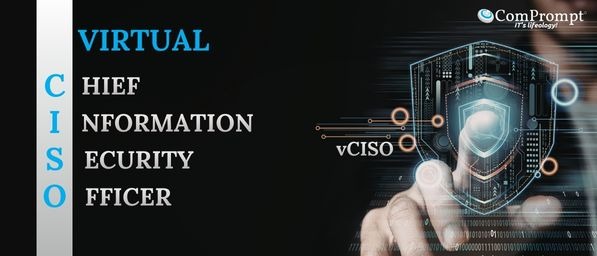
In today’s digital landscape, businesses of all sizes face increasing threats ranging from ransomware and phishing to compliance violations. A vCISO helps companies design and implement a security strategy that aligns with business goals, regulatory requirements, and industry best practices.
Another advantage of a vCISO is scalability. Small and mid‑sized businesses often lack the budget for a dedicated CISO, yet they still need strong security governance. A vCISO bridges this gap by offering tailored solutions that grow with the organization. This ensures that security measures remain effective as the company expands, adopts new technologies, or enters new markets.
In summary, a Virtual Chief Information Security Officer (vCISO) empowers organizations to strengthen defenses, meet compliance obligations, and protect sensitive data — all while maintaining cost efficiency and flexibility. For businesses navigating today’s evolving threat landscape, engaging a vCISO is a proactive step toward long‑term security success.
Key Responsibilities of a vCISO

Risk assessment and management
Identifying vulnerabilities, analyzing potential threats, and implementing measures to mitigate risks.
Policy and procedure development
Creating and maintaining security policies, procedures, and guidelines to ensure compliance and best practices.

Security awareness training
Educating employees about cybersecurity threats and best practices to foster a security-conscious culture.

Incident response planning
Developing and testing incident response plans to effectively handle security breaches and minimize damage.

Compliance and regulatory guidance
Ensuring compliance with relevant industry regulations and data privacy laws (e.g., GDPR, HIPAA, PCI DSS).

Communication and reporting
Communicating security status and risks to executive leadership and stakeholders.
Vendor management
Evaluating and managing third-party vendors to ensure their security practices align with the organization’s standards.

Developing and implementing cybersecurity strategies
Assessing current security posture, identifying risks, and creating a comprehensive security roadmap aligned with business objectives.